
Latest Version
July 27, 2024
iKame Games - Zego Studio
Puzzle
0
com.ig.goods.sort
Report a Problem
More About :game
Each level asks you to examine the available goods and decide which items to select first. Although the basic idea is easy to understand, later puzzles can become more difficult as the arrangement of products leaves fewer convenient matches. Choosing the wrong items too early can make the remaining board harder to manage.
The appeal lies in the balance between relaxing visuals and thoughtful gameplay. You can enjoy the satisfaction of clearing matching products while learning to recognize patterns and plan several moves ahead.
Whether you enjoy organizing games, triple-match puzzles, or casual brain teasers, Sorting Master, Match 3D offers a straightforward way to challenge your observation skills and improve your puzzle-solving approach.
What Is Sorting Master, Match 3D?
Sorting Master, Match 3D is a goods-sorting puzzle game built around matching identical products. Instead of relying on traditional swapping mechanics, the gameplay focuses on identifying matching objects and arranging your selections to complete the level's objectives.
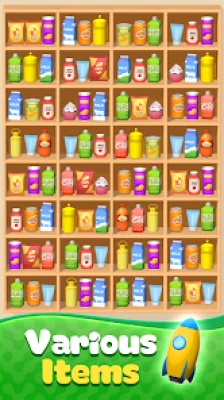
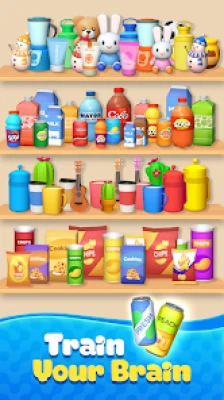
The game features recognizable goods presented in three-dimensional form. You must pay attention to the items available, determine which matches can be completed, and avoid making selections that leave the puzzle in a difficult state.
The challenge is not simply to recognize three identical objects. You also need to consider what each move reveals, which items remain available, and whether your next selection will help or hinder future matches.
As you progress, the puzzles encourage more deliberate thinking. A quick decision might clear a convenient group, but a carefully planned sequence can make the rest of the board easier to solve.
Main Features of Sorting Master, Match 3D
1. Colorful 3D Goods
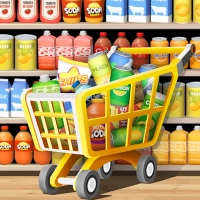
The game presents everyday products as three-dimensional objects. Their visual variety gives you plenty of items to identify while adding personality to the sorting experience.
Learning to recognize products quickly can help you spot possible matches without wasting time examining every object repeatedly.
2. Triple-Match Puzzle Gameplay
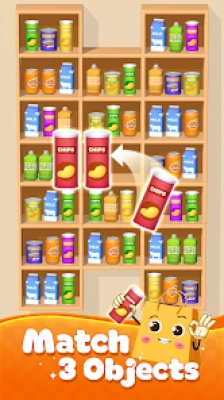
The central challenge is matching identical goods. You need to select the correct items and work toward clearing the available products.
Successful matches reduce the number of objects you need to manage, helping you make progress toward completing the puzzle.
3. Shelf Organization Challenges
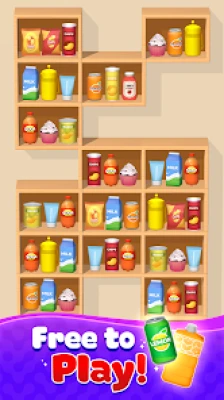
The arrangement of goods is an important part of the experience. Some objects may be easier to identify or access than others, which makes the order of your selections significant.
Looking at the entire arrangement before making your first move can help you avoid unnecessary mistakes.
4. Increasingly Challenging Levels
Sorting puzzles become more demanding when fewer obvious matches remain or when the available arrangement limits your options.
As you improve, focus on planning combinations rather than selecting the first matching objects you notice.
5. Simple Controls
The game is designed around accessible interactions, making it easy for newcomers to understand the basic objective.
However, simple controls do not eliminate the need for strategy. The real challenge comes from choosing the right items in the right order.
6. Relaxing Casual Gameplay
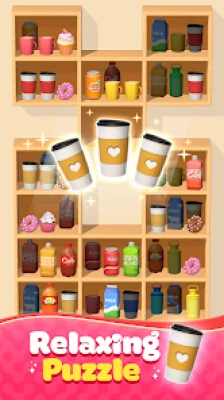
The colorful presentation and familiar products create a lighthearted atmosphere. The game can be suitable for short breaks or longer sessions spent working through puzzle levels.
Its appeal comes from the satisfaction of organizing objects and gradually solving a complicated arrangement.
7. Observation and Logical Thinking
Each puzzle encourages you to recognize patterns, compare objects, and anticipate the results of your selections.
Rather than relying entirely on speed, successful play depends on understanding the board and choosing moves that preserve useful options.
8. Single-Player Puzzle Experience
Sorting Master, Match 3D is listed as a puzzle game for individual play. It is suited to players who prefer solving challenges independently and improving their own approach to each level.
How to Play Sorting Master, Match 3D
The main objective is to identify matching goods, select the correct items, and clear the puzzle while avoiding moves that make the remaining arrangement harder to solve.
The precise controls and level rules may vary by version, so follow the instructions displayed in the game.
Basic gameplay steps:
Examine the full arrangement of goods before selecting anything.
Identify products that appear in matching groups.
Look for matches that are immediately available.
Consider which objects may become accessible after a selection.
Complete a match and review the remaining items.
Avoid collecting unrelated objects without a clear plan.
Continue making useful matches until you complete the level's objective.
The most important habit is to think about the consequences of each move. A match is useful not only because it clears objects, but also because it may make future matches easier.
Complete Sorting Master, Match 3D Strategy Guide
Strategy 1: Scan the Entire Board First
Before making your first selection, take a moment to study the arrangement.
Look for repeated products, groups that are easy to match, and objects that appear to be blocking other items. This initial scan can help you identify a sensible starting point.
Avoid selecting the first familiar object you see simply because it looks convenient. A brief review of the board may reveal a more useful sequence.
Pro tip: Start with a plan, but remain flexible. New opportunities may become available after you clear a group.
Strategy 2: Prioritize Clear and Accessible Matches
An obvious match is often a useful place to begin, especially when the items can be selected without disrupting other opportunities.
However, not every easy match should automatically take priority. Consider whether clearing those products will improve access to other items or leave you with a more complicated arrangement.
The best opening move is one that makes progress while preserving useful options for later.
Strategy 3: Avoid Random Selections
Randomly choosing products can make a sorting puzzle harder to control. You may end up with several unrelated items occupying the available selection area while the matches you need become more difficult to complete.
Before selecting an item, identify the matching products you expect to use with it.
If you cannot see a reasonable path to completing the group, consider whether another match should come first.
Strategy 4: Think Several Moves Ahead
Strong puzzle-solving involves more than finding a match in the current arrangement. You should also consider what the board will look like afterward.
Ask yourself three questions before making an important selection:
Which items will I be able to match next?
Will this move make other useful goods easier to access?
Could this decision leave me with awkward unmatched items?
You do not need to predict every move perfectly. Even a small amount of forward planning can prevent avoidable mistakes.
Strategy 5: Pay Attention to Repeated Products
Repeated products provide useful clues about possible combinations. When you notice several identical objects, consider where they are located and whether they can be selected efficiently.
Try to avoid using an item in a way that makes a more useful group difficult to complete later.
Developing a habit of tracking repeated goods can make the board easier to understand, especially when many different products appear together.
Strategy 6: Keep the Selection Area Manageable
If the level uses a limited selection area or temporary holding spaces, avoid filling them with unrelated goods.
A crowded selection area can restrict your options and make it harder to complete the combinations you need. Focus on selections that contribute to a planned match.
When the game provides a way to clear, undo, or recover from a difficult situation, learn how that feature works before relying on it.
Strategy 7: Clear Obstacles With Purpose
Some sorting puzzles make certain items harder to access because of their position in the arrangement. If your current level contains blocked or layered goods, think about which match will help reveal more useful options.
Do not focus exclusively on products that are already easy to select. Sometimes a less obvious combination can help open up the board and make the remaining puzzle simpler.
Prioritize moves that improve your overall position rather than those that produce the quickest immediate result.
Strategy 8: Recognize When to Change Your Plan
A strategy that looks promising at the beginning may stop working when the remaining items become more difficult to match.
When this happens, pause and review the board. Identify the products you still need, check which ones are accessible, and look for a new sequence.
Repeating the same type of move without considering the changing arrangement can lead to unnecessary mistakes.
Strategy 9: Use Boosters Only When Necessary
If your version provides boosters or other assistance, learn what each option does and save it for situations where it can make a meaningful difference.
A difficult level may justify using assistance when you have exhausted the obvious combinations. An easy puzzle usually does not require spending a valuable resource immediately.
Read the in-game descriptions carefully, since the effects and costs of available assistance can vary.
Strategy 10: Learn From Failed Attempts
A failed attempt can reveal which part of your strategy needs improvement.
Perhaps you selected too many unrelated objects, overlooked a useful combination, or cleared a match that would have been more valuable later.
After a failure, review the sequence of decisions rather than simply restarting and repeating the same moves.
Best approach: Change one part of your strategy at a time. This makes it easier to understand which decisions lead to better results.
Strategy 11: Stay Calm During Difficult Puzzles
A complicated board can make every available move appear risky. Instead of rushing, divide the problem into smaller tasks.
First, identify the easiest useful match. Next, consider which products it may expose or make easier to select. Then review the new arrangement before continuing.
Working through the puzzle in stages can make a difficult level feel more manageable.
Strategy 12: Build a Consistent Puzzle Routine
As you gain experience, develop a repeatable approach:
Scan the board.
Identify useful matching groups.
Check whether any items are blocking better opportunities.
Select a match that supports future progress.
Review the remaining arrangement.
Adjust your plan as the puzzle changes.
This routine helps you avoid impulsive decisions and makes it easier to approach unfamiliar levels.
Beginner's Guide: Getting Better at Sorting Puzzles
New players should focus on understanding the matching rules and learning how their selections affect the rest of the board.
Beginner priorities:
Learn how matching groups are completed.
Recognize identical goods quickly.
Examine the board before selecting items.
Avoid collecting products without a plan.
Keep track of repeated items.
Think about what becomes available after a match.
Use assistance carefully when it is available.
Review mistakes instead of repeating them.
You do not need to solve every puzzle immediately. Consistent practice can help you recognize useful patterns and make more confident decisions.
Advanced Tips and Tricks
Start With the Most Informative Move
A useful move should do more than clear products. Prefer selections that help you understand the remaining arrangement or make additional matches possible.
Keep Track of Unmatched Items
Remember which products you have selected and which matching items remain. This can prevent you from choosing objects that are difficult to combine later.
Look Beyond the Obvious Match
The easiest combination may not always be the most strategic one. Compare several available options before committing to a move that could affect the rest of the board.
Avoid Unnecessary Backtracking
Think before selecting an item, especially when the game limits your temporary selection space or charges for recovery options.
Use Assistance at the Right Moment
If boosters are available, consider using them when they can solve a genuine problem rather than spending them on a routine match.
Recognize Patterns Across Levels
As you play more puzzles, you may notice familiar arrangements or recurring challenges. Use those observations to plan more efficiently while checking the rules of each new level.
Focus on Reliable Progress
The goal is to clear the puzzle, not merely to make quick selections. A steady, well-planned approach is often more useful than rushing.
Common Mistakes to Avoid
Selecting goods randomly: Unplanned selections can leave you with combinations that are difficult to complete.
Ignoring the full board: Focusing on one small area may cause you to miss more useful matches elsewhere.
Choosing the easiest match every time: Some easy matches may not be the best opening move for the overall puzzle.
Forgetting repeated items: Keeping track of matching products helps you plan combinations more effectively.
Filling the selection area unnecessarily: If the level uses limited holding space, unrelated items can reduce your options.
Ignoring blocked goods: Consider how clearing one group may make other items easier to access.
Using boosters too early: Save assistance for situations where it can make a meaningful difference.
Repeating the same failed approach: Review the sequence that caused the problem and try a different plan.
Rushing through difficult levels: Taking a moment to think can prevent avoidable mistakes.
Graphics, Sound, and Overall Gameplay Experience
Sorting Master, Match 3D uses colorful three-dimensional product designs to turn familiar goods into puzzle pieces. The visual variety makes the matching task more engaging, while the organizing theme gives the game an accessible, everyday setting.
The main satisfaction comes from transforming a crowded arrangement into a cleared board. Each successful combination reduces the remaining workload and helps you move closer to completing the level.
The gameplay is more focused on observation and logical planning than on action or competition. Players who enjoy organizing objects, identifying patterns, and solving small problems may appreciate this style of casual puzzle game.
Sorting Master, Match 3D – Pros and Cons
Pros
Accessible matching and sorting concept.
Colorful 3D goods and recognizable objects.
Encourages observation and logical thinking.
Easy-to-understand basic gameplay.
Suitable for casual puzzle sessions.
Offers opportunities to develop better planning habits.
Provides a different experience from traditional tile-swapping match games.
Cons
Repeated sorting tasks may become familiar over time.
Later puzzles can be frustrating when available matches are difficult to identify.
Players who prefer fast action may find the pace too relaxed.
Advertisements and optional purchases may affect the experience, depending on the current version.
Some levels may require repeated attempts to discover a successful sequence.
Is Sorting Master, Match 3D Worth Playing?
Sorting Master, Match 3D is worth considering if you enjoy casual puzzle games built around matching, organizing, and recognizing patterns.
Its main strength is the simplicity of its concept. You can understand the basic objective quickly, but completing more complicated arrangements requires patience and careful planning.
The game is particularly suitable for players who like visual puzzles and the satisfaction of clearing a board one combination at a time. It may be less appealing to those who prefer fast-paced action, competitive multiplayer, or extensive story-driven progression.
Overall, Sorting Master, Match 3D offers a straightforward puzzle experience that rewards observation, thoughtful selections, and a willingness to learn from mistakes.
Sorting Master, Match 3D – Game Information
Game title: Sorting Master, Match 3D
Developer: iKame Games – Zego Studio
Package name: com.ig.goods.sort
Platform: Android
Genre: Puzzle, casual, goods sorting
Gameplay style: Single-player puzzle solving
Main objective: Match identical goods and clear puzzle arrangements
Core mechanics: Object recognition, sorting, matching, and planning
Visual style: Colorful 3D objects
Main skills: Observation, logical thinking, and decision-making
Monetization: Check the current Google Play listing for advertisements and in-app purchase details
Best for: Players who enjoy organizing games and casual matching puzzles
Game mechanics, available features, and monetization may change with updates. Check the current Google Play listing for the latest information.
Frequently Asked Questions
What is Sorting Master, Match 3D?
Sorting Master, Match 3D is a casual puzzle game where you identify matching goods, organize selections, and clear the board through careful planning.
Who developed Sorting Master, Match 3D?
The game is listed under iKame Games – Zego Studio.
How do you play Sorting Master, Match 3D?
Examine the available goods, identify matching products, and make selections that help complete the puzzle. Plan ahead so that your choices do not make future matches unnecessarily difficult.
Is Sorting Master, Match 3D a match-three game?
It belongs to the goods-sorting and matching puzzle category. Its main emphasis is identifying matching objects and clearing the arrangement rather than relying on the traditional tile-swapping mechanics of many classic match-three games.
What is the best strategy for difficult levels?
Study the board before making a move, identify the most useful matching groups, and consider how each selection affects the remaining items. Avoid random moves and review your approach when a level becomes difficult.
Does the game require logical thinking?
Yes. Although the basic controls are straightforward, planning the order of your selections and recognizing useful combinations can make a significant difference.
Are there boosters in Sorting Master, Match 3D?
Available assistance can depend on the current version. Check the in-game menus to see which boosters or recovery options are offered and how they work.
Is Sorting Master, Match 3D suitable for beginners?
Its basic concept is accessible to new players. More challenging puzzles may require practice, but beginners can improve by scanning the board, recognizing patterns, and planning their selections.
Is Sorting Master, Match 3D free to play?
Check the current Google Play listing for the latest pricing, advertisements, and optional in-app purchase information.
Can you play Sorting Master, Match 3D offline?
Offline availability should be confirmed through the current Google Play listing and the game's behavior. Do not assume every feature works without an internet connection.
What skills can you practice while playing?
The game encourages visual recognition, pattern identification, planning, and logical decision-making. It is designed primarily for entertainment rather than as a formal educational tool.
Why do players get stuck on sorting puzzles?
Players may select goods in an unhelpful order, overlook matching products, or leave themselves with difficult combinations. Reviewing the entire board and planning a few moves ahead can help.
Final Verdict
Sorting Master, Match 3D turns everyday products into a colorful puzzle-solving challenge. Its straightforward matching concept makes it easy to begin, while the need to plan selections and manage the remaining arrangement adds depth to more difficult levels.
For the best results, study the board before acting, keep track of matching goods, and choose moves that preserve useful options. If you enjoy casual organizing games and visual brain teasers, Sorting Master, Match 3D is worth exploring.
Rate the Game
User Reviews






Popular Games



















 Android
 iOS
iOS Windows
 Xbox
Xbox